Bula Namaste!!
We are a research group based at the UNSW Mathematics and Statistics. Our aim is to develop and apply novel artificial intelligence methods to multi-disciplinary areas that include science, engineering, and humanities.
Our research encircles methodologies and applications of artificial intelligence. The methodologies include deep learning, ensemble learning, Bayesian deep learning, neuro-evolution, and data augmentation. The applications include climate extremes, geoscientific models, mineral exploration, biomedicine, natural language processing, and COVID-19. We pioneered the area of language models for studying ancient religious-philosophical texts. We use machine learning and remote sensing for mineral exploration, and are currently focusing on critical metals. Our focus is on the area of large language models for language translation, media, and the humanities.
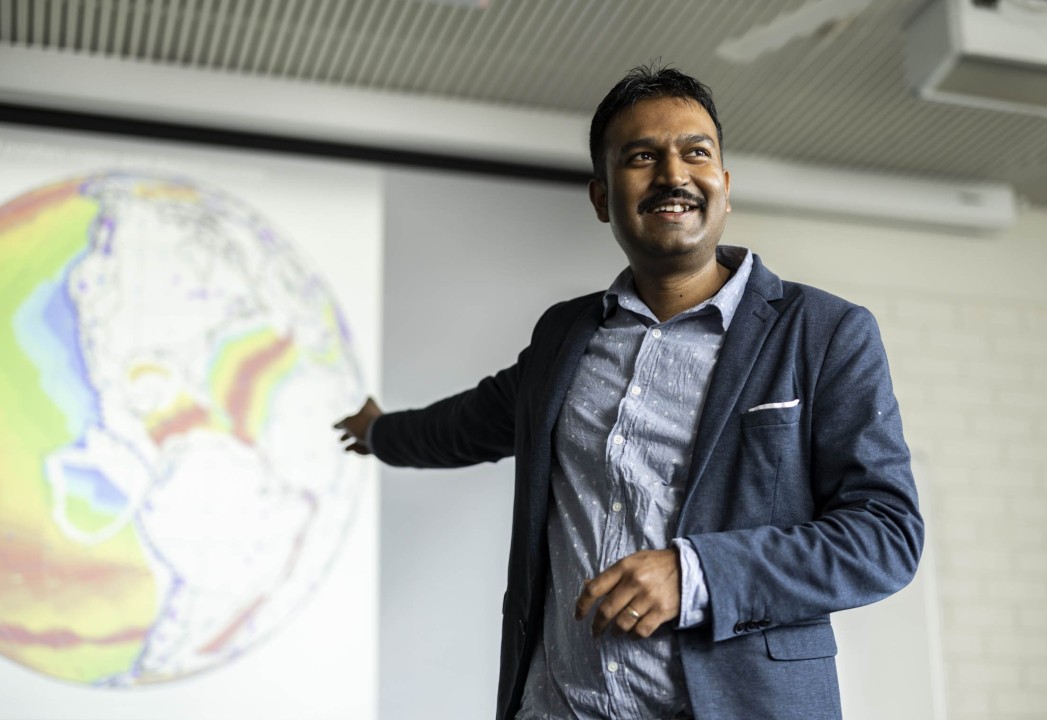
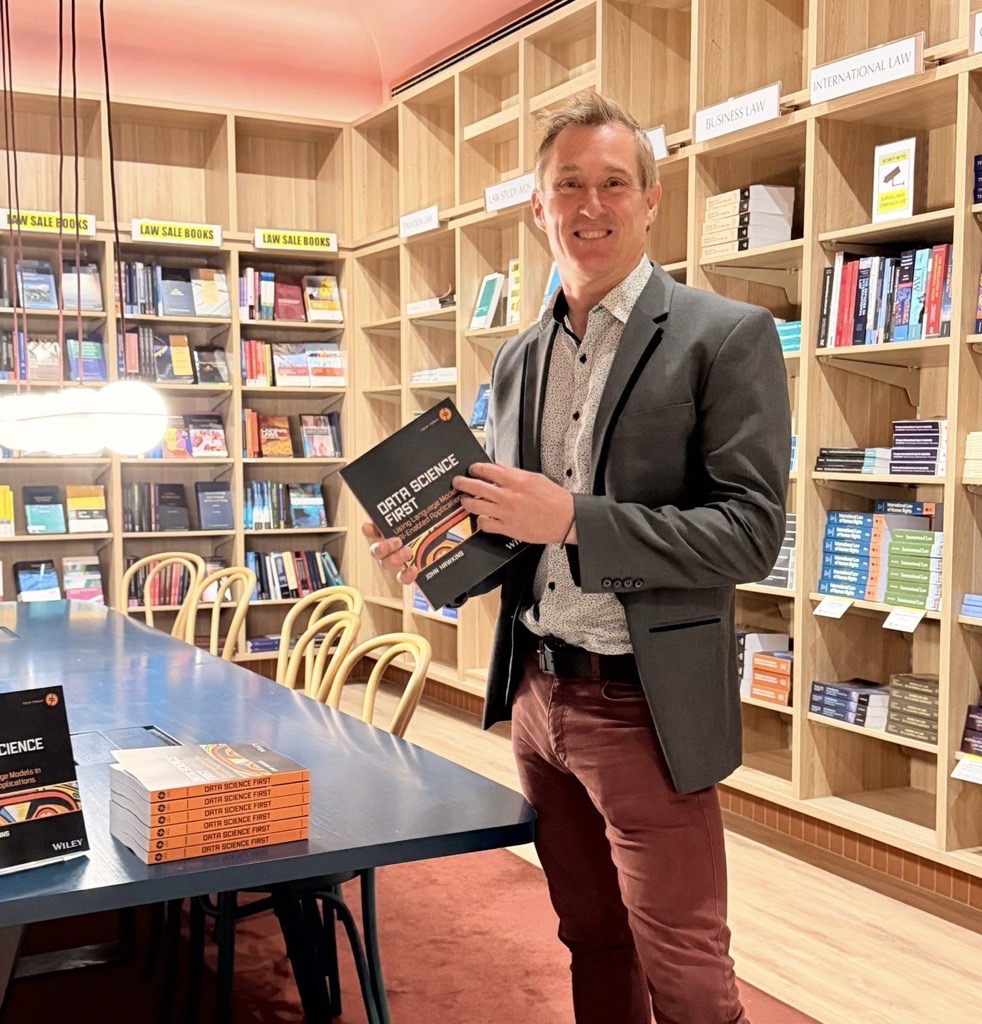
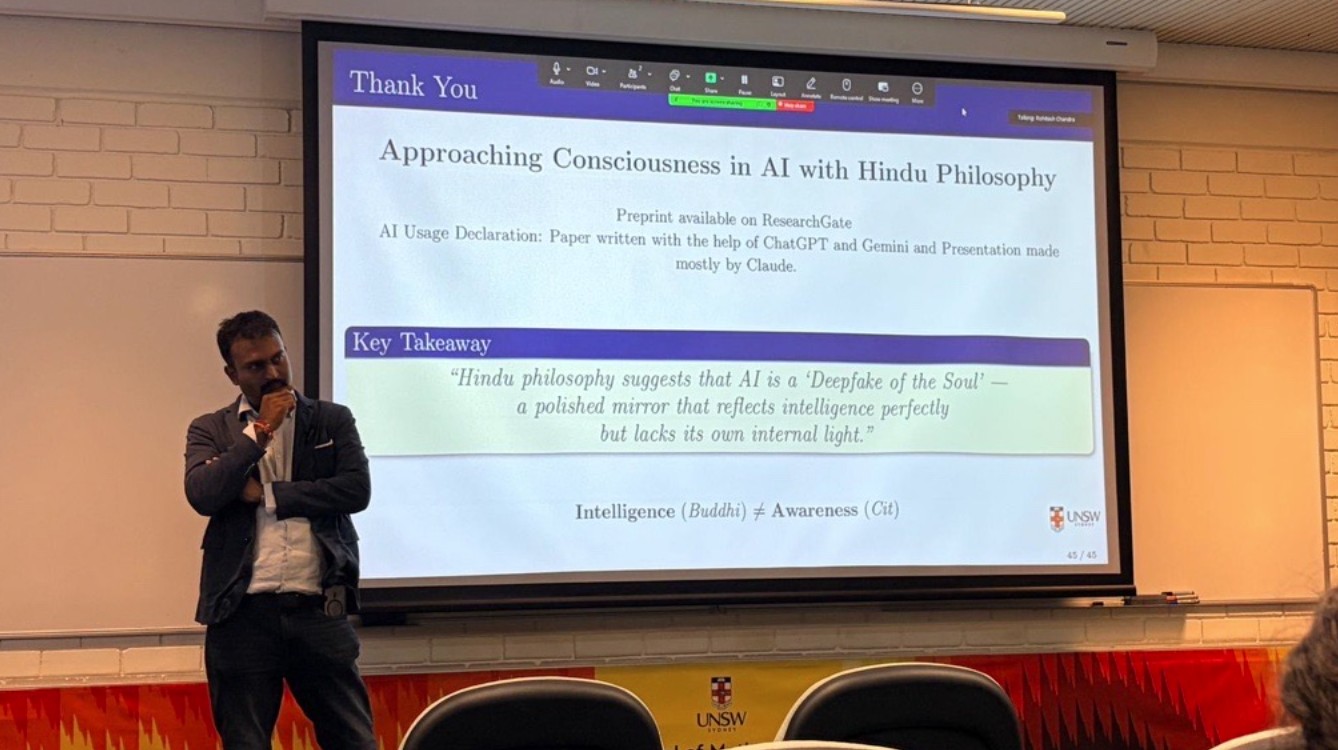
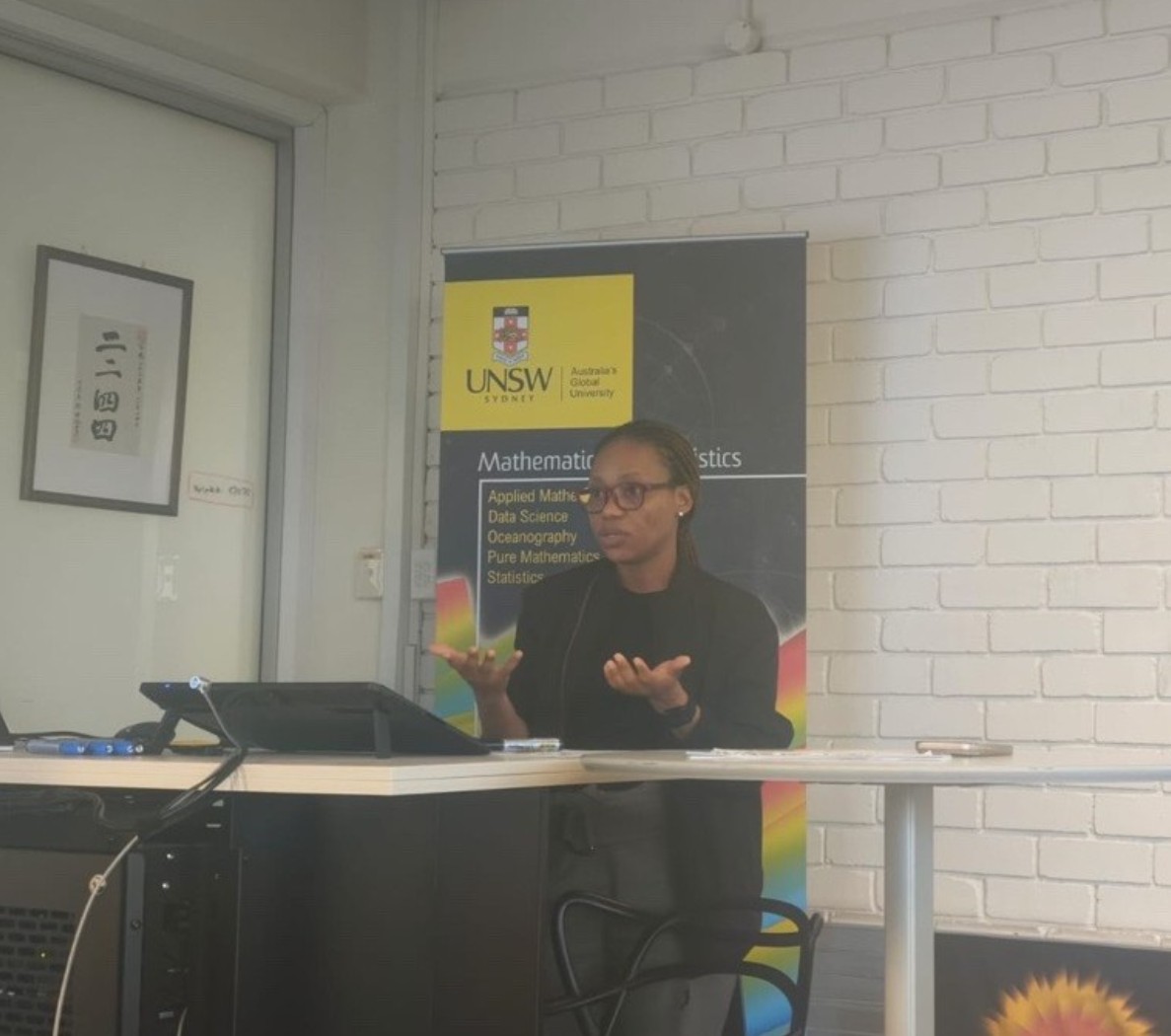
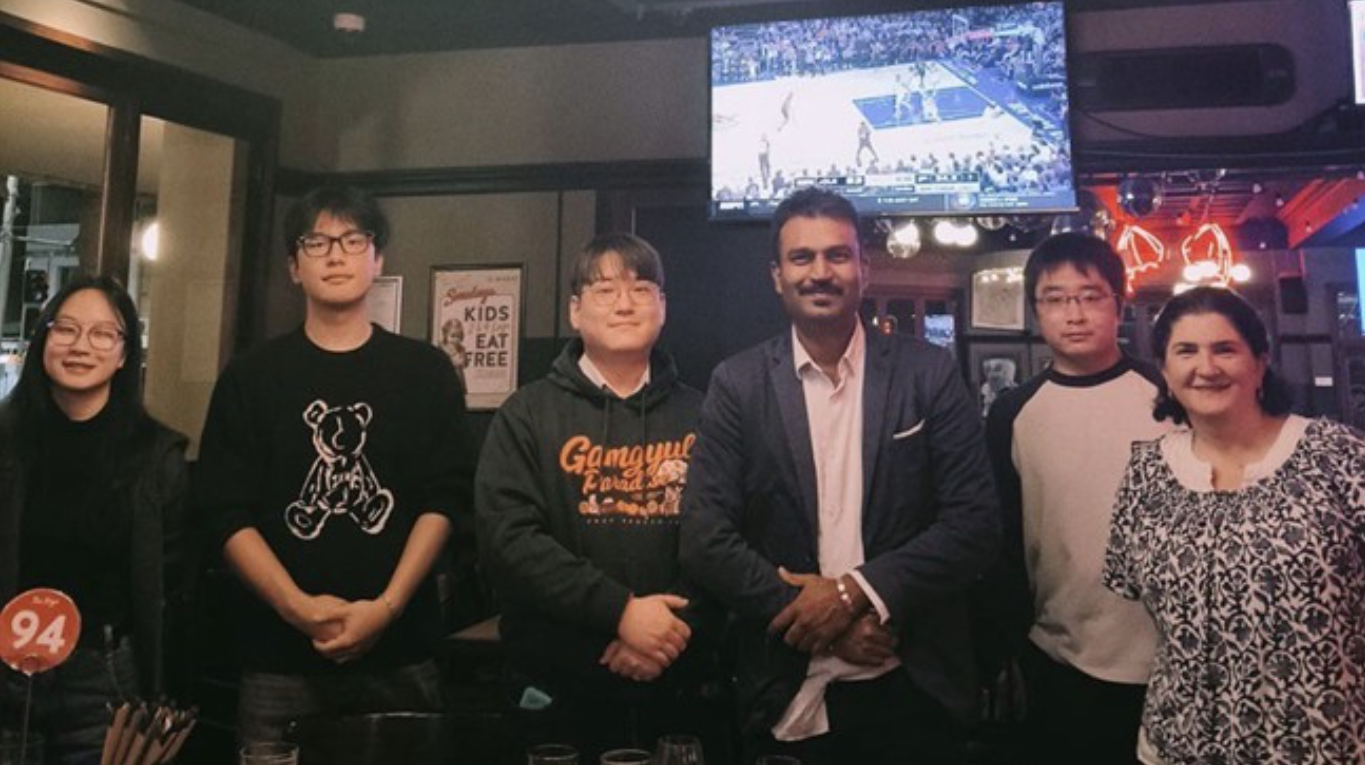
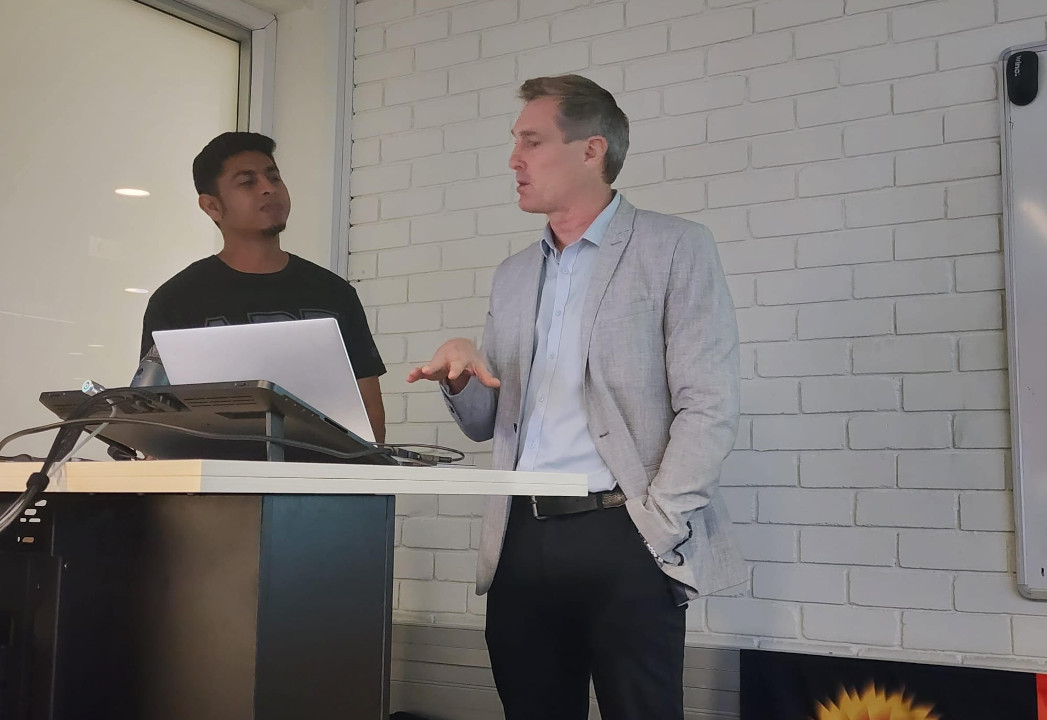
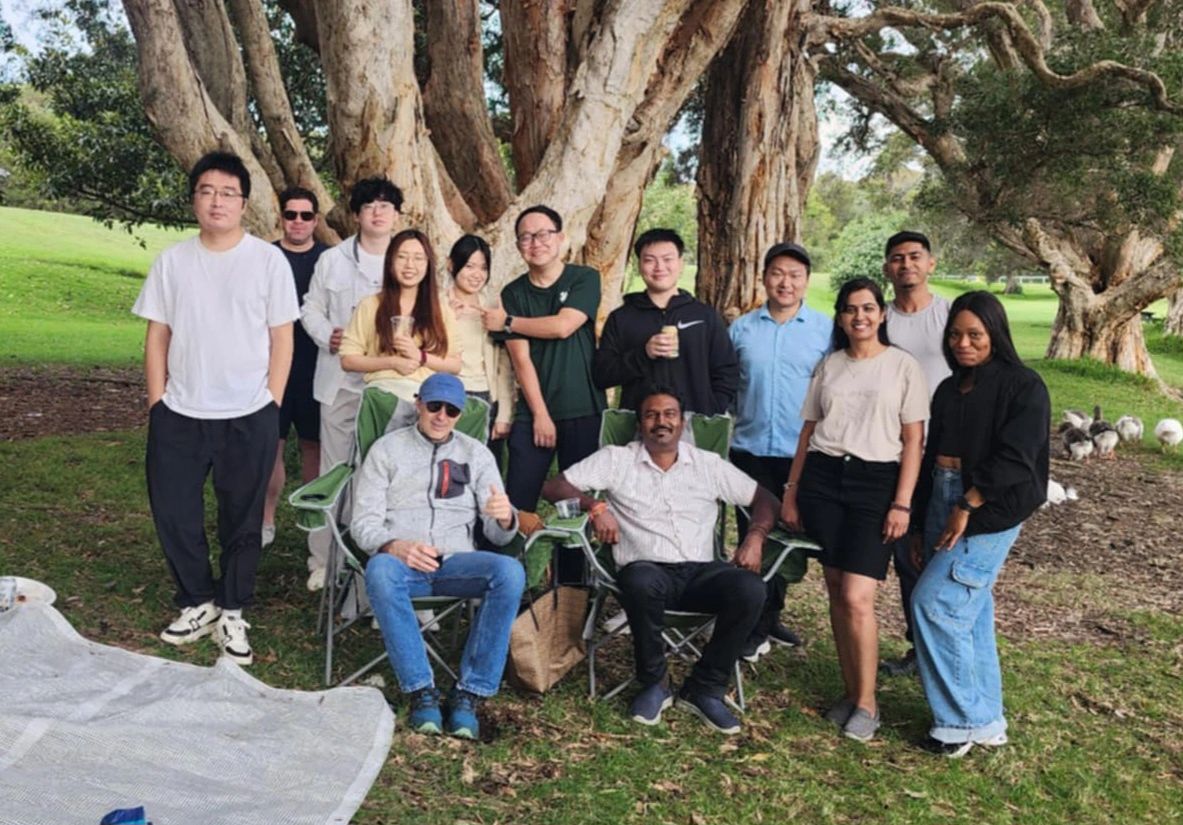
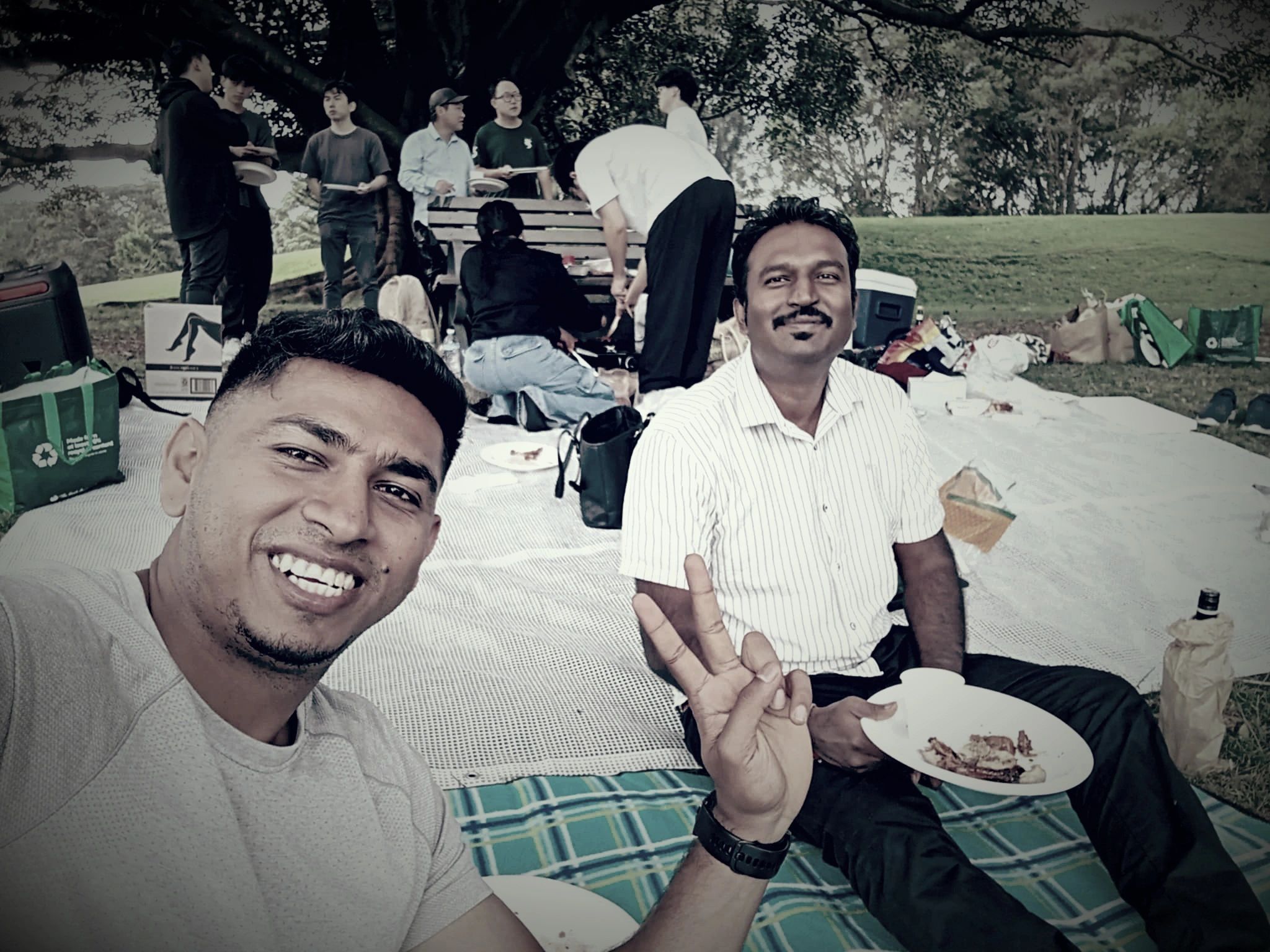
We are grateful for collaboration with ARC-ITTC Data Analytics in Resources and Minerals UNSW Data Science Hub and the Geocoastal Research Group - University of Sydney, and EarthByte Group - University of Sydney.


We are actively looking for passionate new research students, research interns, and collaborators to join the research team. (More info about current and open projects.)
Philosophy
Transitional Artificial Intelligence Research Group (t~ai) aims to train the next generation of scientists, philosophers and technologists for humanity. We need to break down the barriers between science, the arts and the humanities with innovations in artificial intelligence.
History
t~ai was created at UNSW School of Mathematics and Statistics in January 2020 by Dr Rohitash Chandra. The group was envisioned in 2019 with research activities at the Centre of Translational Data Science - University of Sydney, in collaboration with EarthBye and Geocoastal Research Group. The group has transitioned from the Artificial Intelligence and Cybernetics Research Group at the Software Foundation (Fiji) and the University of the South Pacific, Fiji (2013 - 2015). Since then, we have been actively recruiting research students and interns who have shaped the course of our research - and enabled the development of novel methodologies and applications.